
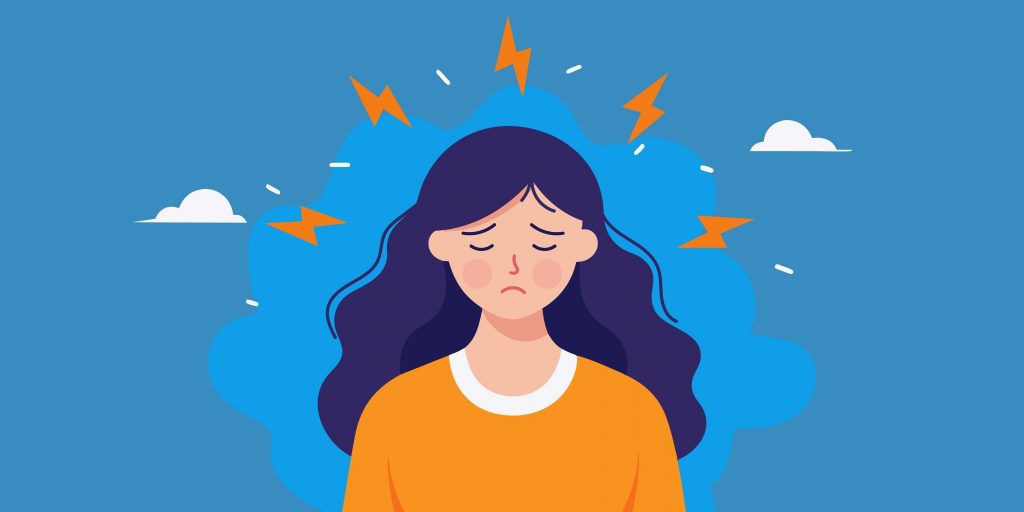
Recent research and lived experiences tell a consistent story: neurodiverse women and girls face a significantly higher risk of anxiety than their neurotypical peers. The question is: Why?
1. The High Cost of Masking
Societal expectations for girls to be polite, organised, and socially intuitive are intense. Many neurodiverse girls learn to mask, consciously or unconsciously mimicking neurotypical behaviour to fit in.
- The Toll: Masking is exhausting. It’s like performing in a play 24/7 without a script.
- The Result: This constant performance leads to chronic stress and a sensory hangover, which often manifests as generalised anxiety or burnout.
2. Sensory Overload
The world is designed for a specific type of nervous system. For someone with sensory processing differences, a normal day can be a minefield:
- Fluorescent lights that hum.
- The texture of restrictive office clothing or school uniform.
- The unpredictable noise of a busy office or classroom.
When your brain is constantly stuck in fight-or-flight mode just to process your environment, anxiety becomes the default setting.
3. The Late Diagnosis Gap
Historically, diagnostic criteria were based on how neurodivergence presents in boys. Because girls often present differently (internalising struggle rather than acting out), they are frequently misdiagnosed with only anxiety or depression.
The Reality: You have to address the root cause to find true relief.
How We Can Support Neurodiverse Women
| Action | Why it Matters |
| Validate the Effort | Acknowledge that simple tasks may require 10x the mental energy for them. |
| Sensory Autonomy | Support the use of noise-cancelling headphones, fidget tools, or natural light days. |
| Direct Communication | Reduce social anxiety by being clear, literal, and kind in your expectations. |
Moving Forward
Raising awareness isn’t just about spotting the signs; it’s about changing the environment. To find out more, please get in touch, I’d love to help you!