
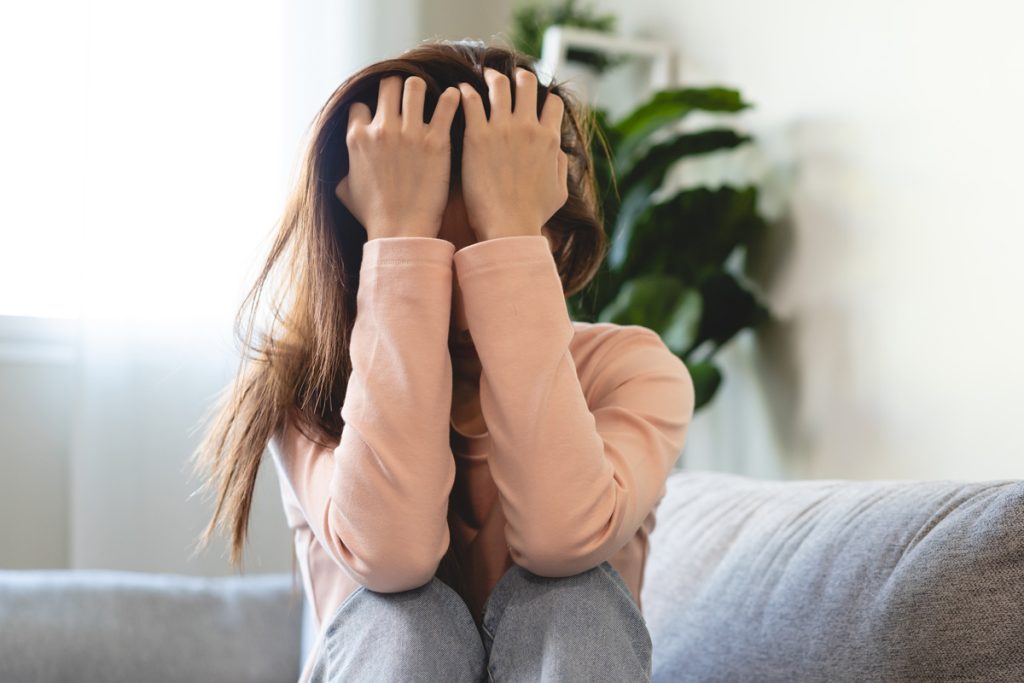
What Triggers a Meltdown?
Meltdowns in neurodiverse women and girls are often triggered by an accumulation of sensory, social, and emotional overload. This “stacking” of stressors can make a seemingly small event the breaking point. Common triggers include:
- Sensory Overload: Too much noise, bright lights, strong smells, or uncomfortable textures.
- Social Overload: The stress of navigating social situations, understanding unwritten rules, or masking to appear “normal.”
- Emotional Dysregulation: Difficulty processing and managing strong emotions like frustration, anxiety, or sadness.
- Unexpected Changes: A sudden change in routine or a last-minute plan can be deeply unsettling.
The “Meltdown” Experience
A meltdown isn’t just a brief moment of anger. It’s a spectrum of responses that can look different from person to person. For many neurodiverse women and girls, meltdowns can be internalised. Instead of a loud, external display, a meltdown might manifest as:
- Shutdowns: A complete withdrawal from the situation, becoming non-verbal, and “zoning out.”
- Internal Panic: Intense anxiety, racing thoughts, and a feeling of being trapped.
- Physical Symptoms: Stomachaches, headaches, or extreme fatigue.
External meltdowns, while less common in adult neurodiverse women, can still occur and may involve crying, lashing out, or screaming.
How to Help
Understanding that a meltdown is a stress response—not a choice—is the first step. If you’re supporting a neurodiverse woman or girl, here’s how you can help:
- Create a Safe Space: Offer a quiet, low-sensory environment where she can decompress.
- Validate Her Feelings: Acknowledge her distress without judgment. Saying, “I can see this is really hard for you,” can be incredibly validating.
- Offer Space and Time: Give her room to calm down without demanding an immediate explanation.
- Avoid Demands: Don’t ask questions or make requests during a meltdown. The goal is to reduce, not increase, the mental load.
Meltdowns are a sign that a person’s system has reached its limit. By recognising the signs and offering compassionate support, we can create a more understanding and accommodating environment for neurodiverse women and girls.