
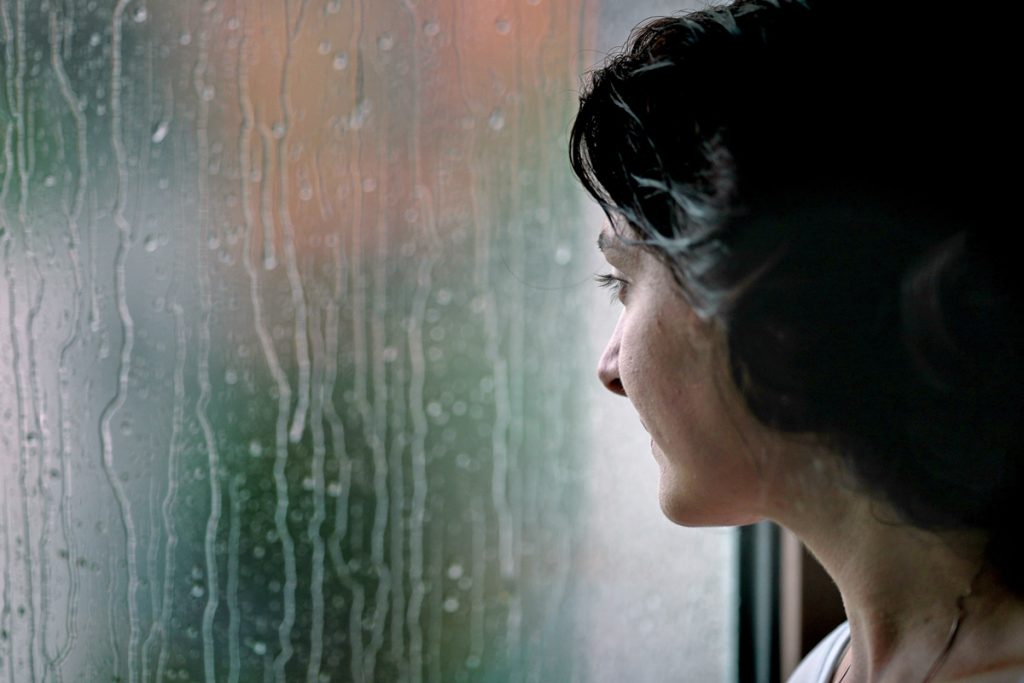
Overlapping Symptoms and Amplified Challenges
Both SAD and neurodiversity can affect mood, energy, and executive function, creating a powerful and confusing combination of symptoms.
- For women with ADHD, the drop in sunlight and changes in routine can worsen their core symptoms. The reduced light can lower serotonin levels, which are already imbalanced in ADHD, leading to more pronounced “brain fog,” difficulty with motivation, and heightened emotional dysregulation. The usual strategies for managing ADHD, like outdoor exercise, become harder to maintain, creating a cycle of low energy and frustration.
- For autistic women, the impact of SAD can be even more pronounced due to sensory sensitivities and a need for routine. The shorter, darker days and colder weather can increase sensory overload, making external environments feel even more overwhelming. The disruption of a familiar routine and the internal feelings of sadness and lethargy can lead to more frequent meltdowns or shutdowns, as their coping mechanisms are stretched to their limit.
Recognising the Difference and Finding Support
Distinguishing between SAD and neurodivergent burnout can be tricky, but it’s crucial for getting the right support. While both can cause fatigue and social withdrawal, SAD has a clear, cyclical pattern tied to the seasons.
- Create a SAD-specific plan: Be proactive in the fall. Increase exposure to natural light by spending time outdoors, using a lightbox, or simply opening your curtains.
- Structure and Routine: Use visual schedules and planners to maintain a consistent routine, which is beneficial for both ADHD and autism. This can provide a sense of control amidst the seasonal changes.
- Prioritise Self-Care: Focus on activities that soothe the nervous system, whether it’s gentle movement, a special interest, or connecting with a supportive community.
If symptoms are severe or impact your daily life, it’s essential to seek professional help from a healthcare provider who understands the nuances of both neurodiversity and mental health. An informed approach can help you navigate the winter months with greater ease and self-compassion.